
Do You Need a Crown After a Root Canal? What Happens If You Skip It
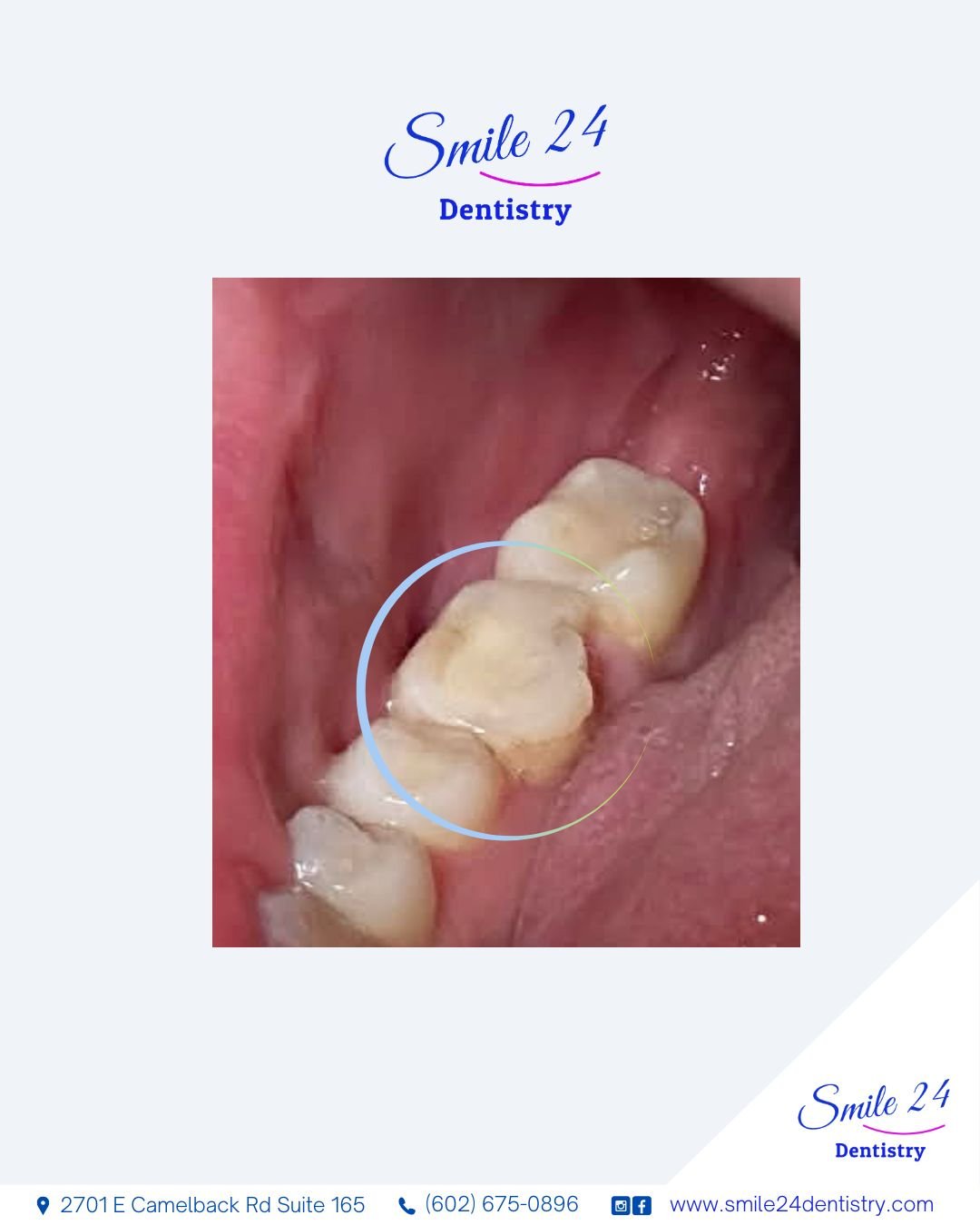
No Crown After Root Canal? Here’s What Happens…
A root canal treatment is designed to save a severely infected or damaged tooth. During the procedure, the infected pulp and nerve are removed, the inside of the tooth is cleaned, and the canals are sealed.
While this eliminates pain and infection, many patients don’t realize that a tooth after a root canal is no longer living tissue. Without its internal blood supply, the tooth becomes weaker and more vulnerable over time.
So what happens if you don’t place a dental crown after a root canal?
1. The Tooth Becomes Fragile
After root canal therapy, the tooth structure is more brittle. Because the inner pulp has been removed, the tooth loses hydration and strength. Over time, this can make it more prone to damage - especially if it’s a molar or premolar that handles heavy chewing pressure.
2. Increased Risk of Cracks and Fractures
Back teeth absorb significant biting forces every day. Without a dental crown for protection, the remaining tooth structure can crack or split.
In some cases, fractures can extend below the gum line, making the tooth impossible to restore.
3. Possible Tooth Loss
If a root canal tooth fractures severely, extraction may be the only option. What started as a procedure to save the tooth could lead to needing a dental implant or bridge, which is more invasive and more expensive.
4. Higher Long-Term Costs
Delaying a crown after a root canal can turn a relatively straightforward restoration into a complex treatment plan. Replacing a lost tooth often requires additional procedures, longer healing time, and significantly higher costs.
Why a Crown Is Recommended After a Root Canal
A dental crown after root canal treatment acts like a protective cap. It covers and reinforces the weakened tooth, restoring its strength, shape, and function. With proper care, a crowned tooth can last many years - often decades.
If you’ve had a root canal, completing the treatment with a crown is essential for long-term success. Skipping this step increases the risk of fracture, tooth loss, and more costly procedures in the future.
Protect your investment - and your smile - by placing a crown in a timely manner.