
Symptoms of Bruxism
Bruxism, or teeth grinding and clenching, often goes unnoticed until its effects become apparent. The symptoms can range from mild discomfort to more severe complications, affecting both oral health and overall well-being. Here are some of the most common symptoms associated with bruxism:
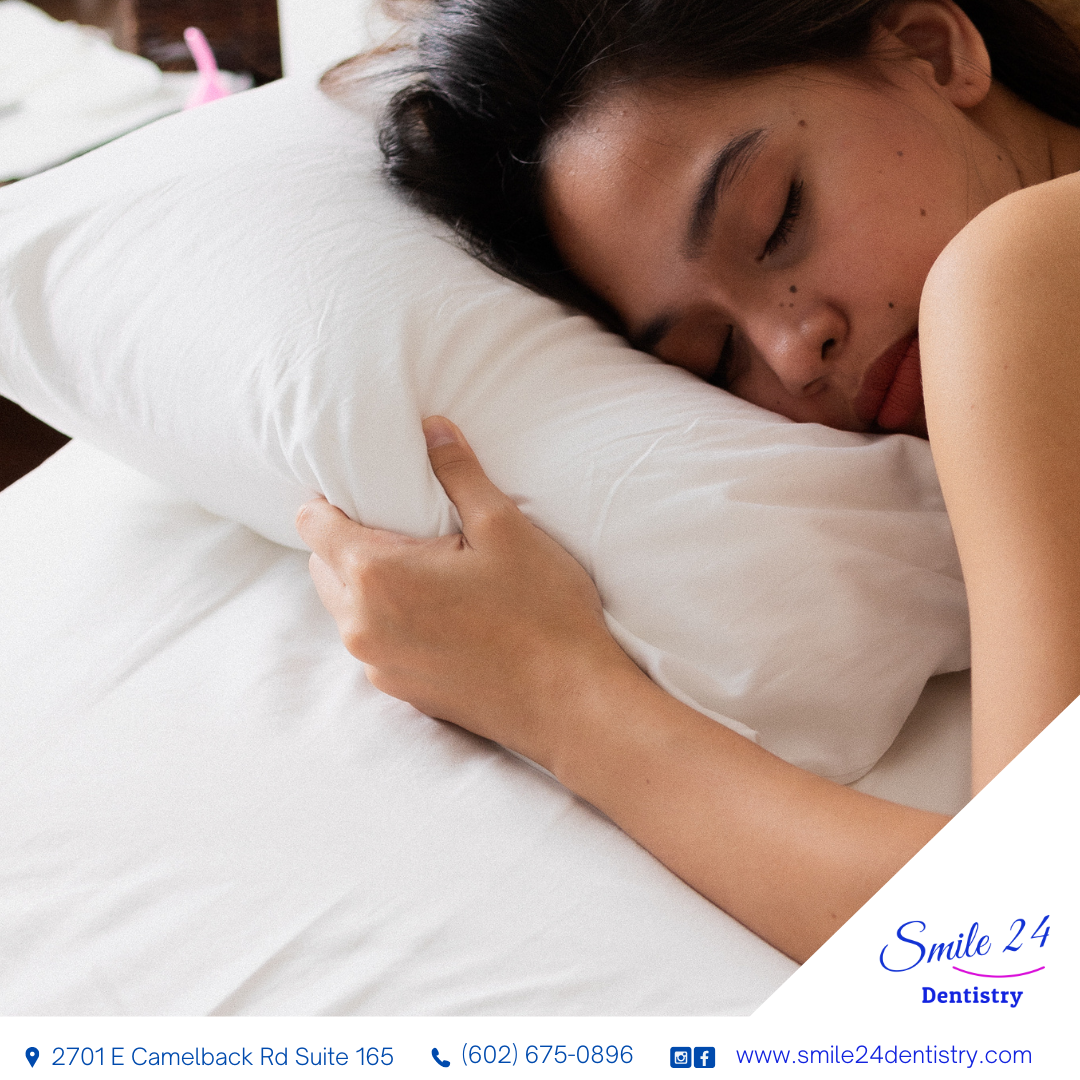
what is bruxism?
Jaw Pain, Tension, or Soreness
One of the most prominent signs of bruxism is persistent jaw pain or soreness. Grinding or clenching puts excessive pressure on the jaw muscles, causing them to become tight and fatigued. This tension can extend to the jaw joints, leading to discomfort that can affect chewing, speaking, and even facial movements. In severe cases, bruxism can contribute to temporomandibular joint (TMJ) disorders, which cause pain and limited movement of the jaw.
Headaches and Earaches
Bruxism often leads to frequent headaches, particularly upon waking, as a result of the constant strain placed on the jaw and facial muscles during the night. These headaches tend to occur around the temples and can mimic tension headaches. In addition, earaches are a common symptom, though the ears themselves are not affected. The pain stems from the proximity of the jaw joint to the ear, and the grinding action can create discomfort that radiates to the ear area.
Teeth Sensitivity or Damage (e.g., Worn Teeth, Cracks)
Over time, the continuous grinding and clenching of teeth can cause significant wear and tear on the enamel, leading to tooth sensitivity. You may notice increased sensitivity to hot or cold foods and drinks, or even discomfort while brushing. In more severe cases, bruxism can result in visible damage, such as flattened, chipped, or cracked teeth. Left untreated, this damage can affect the appearance of your smile and lead to further complications like tooth decay or fractures.
Disrupted Sleep for the Individual and/or Their Partner
Sleep bruxism can significantly disrupt restful sleep. Many people who grind their teeth at night are unaware of the condition, but they may wake up feeling tired or experience difficulty falling back asleep due to the discomfort it causes. Additionally, the grinding noises may disturb the sleep of a partner or family member, contributing to overall sleep disruptions for those sharing a bed or room. Poor sleep quality can lead to daytime fatigue, irritability, and reduced concentration.
If you experience any of these symptoms, it's important to seek professional advice. At Smile 24 Dentistry in the Biltmore area of Phoenix, Arizona, our team can evaluate the impact of bruxism on your oral health and provide effective solutions, such as custom night mouth guards, to alleviate your symptoms and protect your teeth.