
Daily Oral Hygiene Tips During Pregnancy From Smile 24 Dentistry in Phoenix Biltmore
Dental Care for Pregnant Women in Phoenix Az
Good daily oral hygiene is one of the simplest ways to protect your teeth and gums during pregnancy and between dental visits. At Smile 24 Dentistry in the Phoenix Biltmore area on Camelback Road, we guide our patients step‑by‑step on how to brush, clean between teeth, and care for their mouth safely and effectively every day.
How often and how to brush your teeth
Most adults should brush their teeth twice a day for two minutes each time, in the morning and at night, using fluoride toothpaste. This helps remove plaque – the thin film of bacteria that can lead to cavities and gum disease if it is not cleaned away.
For best results:
Choose a soft‑bristled toothbrush or an electric brush that is gentle on your gums.
Place the bristles at a 45‑degree angle toward the gum line and use small, circular motions rather than harsh scrubbing.
Make sure you clean all surfaces: outer, inner, and chewing surfaces of every tooth, and gently brush along the gum line.
Most professional guidelines support using a small amount of fluoride toothpaste twice a day for cavity prevention, but if you are pregnant and have concerns about fluoride, talk with your dentist at Smile 24 Dentistry or OB‑GYN about the best toothpaste choice for your situation.
During pregnancy, your gums may already be more sensitive, so a gentle but thorough brushing technique is especially important.
Flossing and interdental brushes: cleaning between teeth
Your toothbrush cannot reach all the tight spaces between your teeth, which is why daily cleaning between teeth is so important. Plaque and food trapped in these areas can cause cavities and gum inflammation, especially when hormones in pregnancy make gums easier to irritate.
Effective options include:
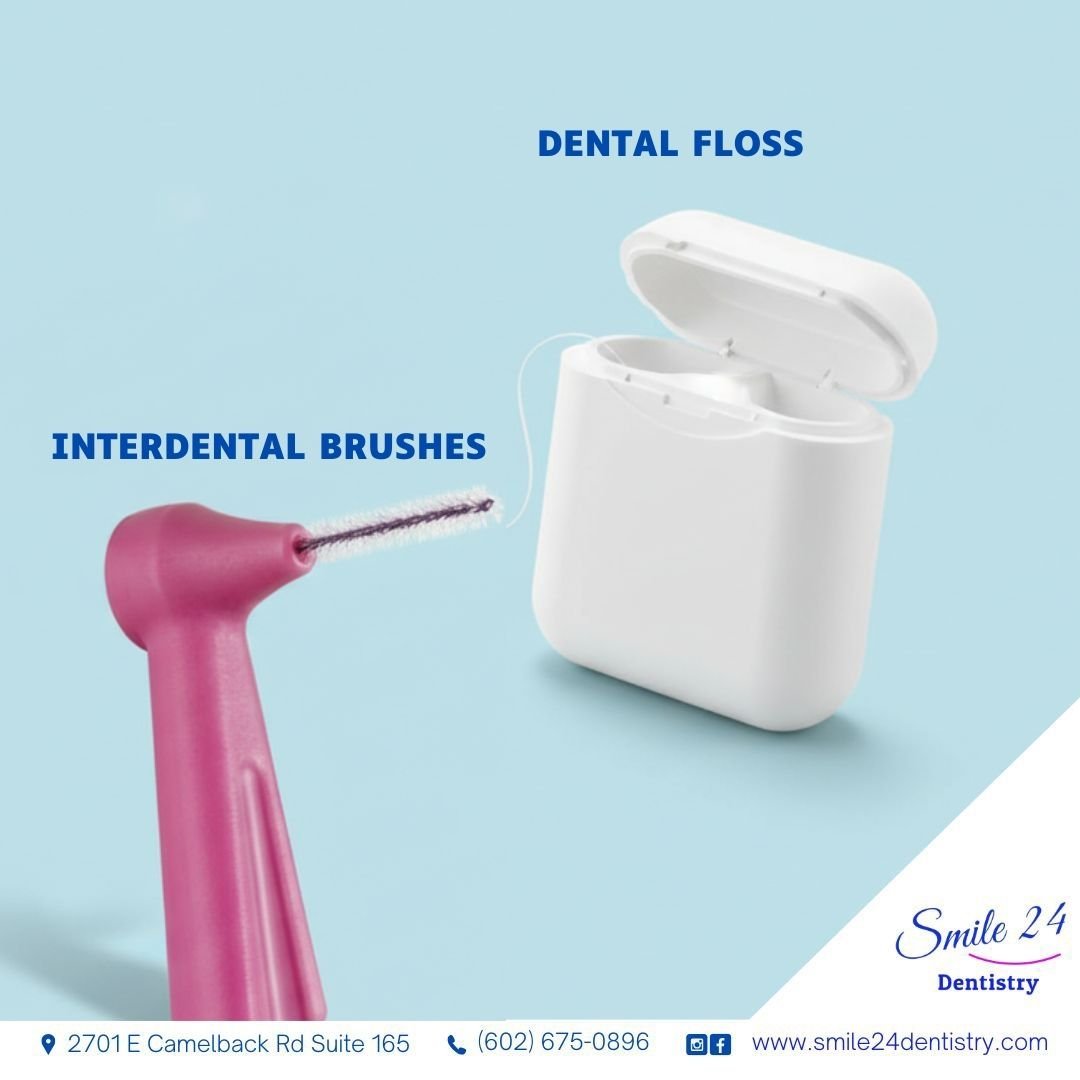
Dental floss – the traditional “gold standard” for sliding gently under the gum line and between teeth.
Interdental brushes – small, specially designed brushes that work well for larger spaces, around bridges, or if you have orthodontic appliances.
Aim to clean between your teeth at least once a day, preferably in the evening before bed. If your gums bleed at first, it is usually a sign of inflammation and plaque buildup rather than a reason to stop; bleeding often improves after several days of consistent, gentle cleaning.
Choosing a mouthwash: why alcohol‑free is often preferred
Mouthwash can be a helpful addition to brushing and flossing, but it does not replace them. Many pregnant patients prefer alcohol‑free mouthwashes, which can be more comfortable if your mouth is dry or sensitive.
Consider:
An alcohol‑free mouthwash to help strengthen enamel and freshen breath.
Using mouthwash at a different time than brushing (for example, after lunch), especially if you are following “brush, spit, don’t rinse” advice for maximum effect.
Your dentist can recommend a specific product based on your gum health, cavity risk, and pregnancy‑related sensitivities.
What to do for your teeth after vomiting
Morning sickness and reflux are common in pregnancy and can expose your teeth to stomach acid, which softens enamel. It may feel natural to brush immediately, but that can actually rub acid into the tooth surface and cause more wear.
Instead, follow these steps:
Rinse first: swish with plain water or a mild solution (for example, a small amount of baking soda dissolved in water) to help neutralize acid.
Wait 30–60 minutes before brushing to give your enamel time to reharden.
Then brush gently with a soft brush and fluoride toothpaste.
If you are vomiting frequently, talk with both your dentist and your medical provider so they can help protect your teeth and manage the underlying cause.
Bleeding gums and fear of brushing: how to keep cleaning safely
Many pregnant patients notice that their gums bleed more easily, especially when brushing or flossing, a condition often called pregnancy gingivitis. This can make you nervous about brushing, but avoiding cleaning usually makes the inflammation and bleeding worse, not better.
To care for bleeding or tender gums:
Continue brushing twice daily with a soft brush and gentle technique along the gum line.
Keep flossing or using interdental brushes once a day; clean gently, but do not skip the areas that bleed.
Consider using an alcohol‑free mouthwash or a product recommended by your dentist to support gum health.
Schedule a professional cleaning at Smile 24 Dentistry to remove hardened plaque (tartar) that you cannot remove at home.
If your gums are very swollen, painful, or bleeding heavily, or if you notice bad breath that does not improve with good hygiene, let your dentist know – additional evaluation and treatment may be needed.
FAQ: Daily oral hygiene during pregnancy
How many times a day should I brush my teeth while pregnant?
Most adults, including pregnant patients, should brush twice a day for two minutes with toothpaste – usually in the morning and before bed.
Do I really need to floss every day?
Yes. Cleaning between your teeth at least once a day with floss or interdental brushes helps remove plaque where your toothbrush cannot reach and supports healthy gums.
My gums bleed when I brush and floss – should I stop?
Mild bleeding is often a sign of inflammation, not a reason to stop cleaning. Gentle, consistent brushing and flossing usually reduce bleeding over time, but persistent or heavy bleeding should be evaluated by your dentist.
Is alcohol‑free mouthwash better during pregnancy?
Many pregnant patients prefer alcohol‑free mouthwash because it can be gentler on dry or sensitive tissues. In all cases, mouthwash is an addition to, not a replacement for, brushing and flossing.
What should I do after I vomit to protect my teeth?
Rinse with water or a mild baking soda solution, then wait about 30 minutes before brushing so you do not spread stomach acid over softened enamel.
Can I use whitening toothpaste or strong whitening products while pregnant?
Most general guidelines focus on safety and comfort rather than cosmetic treatments during pregnancy. Discuss any whitening products with your dentist so they can advise you based on your individual situation.