
Dental Care During Pregnancy: Why Oral Health Is Safe, Important, and Good for Your Baby
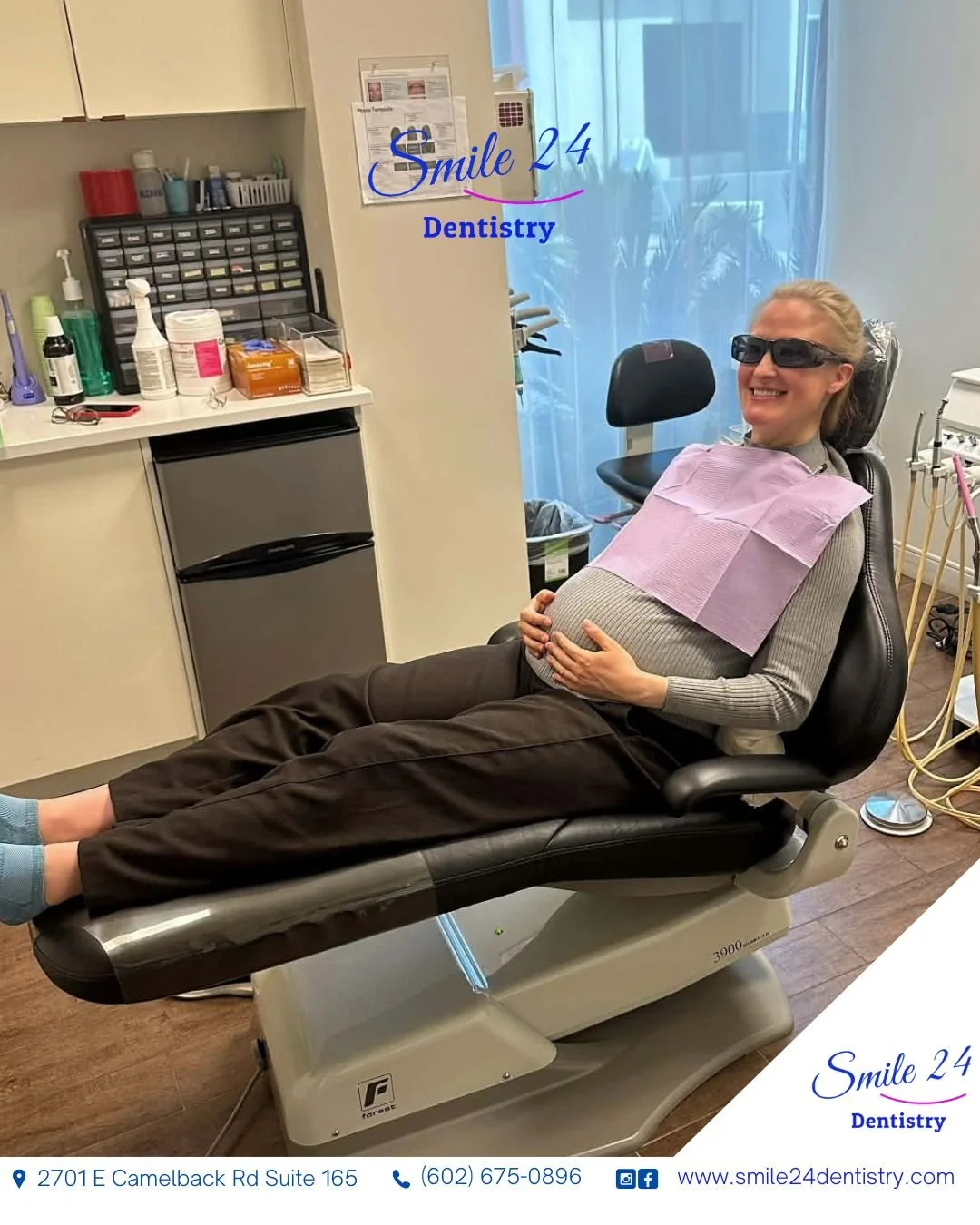
Dental Care for Pregnant Women in Phoenix Az
Healthy teeth and gums are not just a cosmetic detail during pregnancy – they are an important part of supporting the mother’s overall health and the baby’s development.
Why your oral health matters for you and your baby
Pregnancy is a period when oral health and general health are closely connected. The physiological and hormonal changes that help your baby grow also affect the gums, teeth, saliva, and the way the immune system responds to dental plaque. Maintaining good oral health during these months helps prevent problems such as cavities and gum inflammation and may reduce certain avoidable health risks for both mother and baby.
During pregnancy, higher levels of estrogen and progesterone can make the gums more reactive to dental plaque, leading to gingivitis with redness, swelling, and bleeding. If this inflammation is not controlled, it can progress to more severe periodontal disease, which is a chronic infection of the supporting tissues around the teeth. Research has shown an association between periodontal disease and adverse pregnancy outcomes, including preterm birth, low birth weight, and pre‑eclampsia, although oral health is likely one of several contributing factors rather than the sole cause.
Untreated tooth decay also has implications for general health and comfort. Deep cavities and dental infections can lead to significant pain, difficulty eating, disturbed sleep, and the need for urgent care and stronger medications, all of which can add stress during pregnancy. In severe cases, dental infections can spread beyond the tooth and become systemic, which is a concern in any patient and particularly important to avoid during pregnancy. Timely treatment of decay and control of oral bacteria support better nutrition, more stable weight gain, and overall well‑being throughout pregnancy.
Oral health in pregnancy also has implications for the child’s future oral health. Mothers with high levels of cavity‑causing bacteria in their saliva are more likely to transmit these bacteria to their infants through everyday contact, which can increase the risk of early childhood caries. Improving maternal oral health and reducing active infection before and during pregnancy can lower this bacterial reservoir and is considered one useful strategy to help protect young children from early, aggressive tooth decay.
A healthy mouth therefore supports a healthier pregnancy in several ways. When gum disease and dental infections are identified and managed, there is typically less chronic inflammation, less pain, and better ability to eat a balanced diet that provides the nutrients needed for fetal growth, including the formation of teeth and facial structures. For these reasons, professional organizations recommend that pregnant individuals and those planning a pregnancy include dental care as a routine part of prenatal care, alongside visits with their obstetric provider.